The term rebuke is a powerful English word that people often search to understand its meaning, tone, and correct usage.
Whether you’ve seen it in a book, heard it in a serious conversation, or encountered it in online discussions, “rebuke” can feel formal or intense if you’re not familiar with it.
At its core, rebuke refers to expressing strong disapproval or criticism, usually to correct behavior or actions.
People look up the rebuke definition to avoid misusing it, understand emotional intent, or learn how it differs from similar words like “criticize” or “scold.”
In today’s digital world, rebuke still appears in texts, comments, and even social media debates—sometimes softened, sometimes sharp.
This article breaks down everything you need to know in a clear, friendly, and easy-to-read way.
What Does Rebuke Mean in Text & Chat?
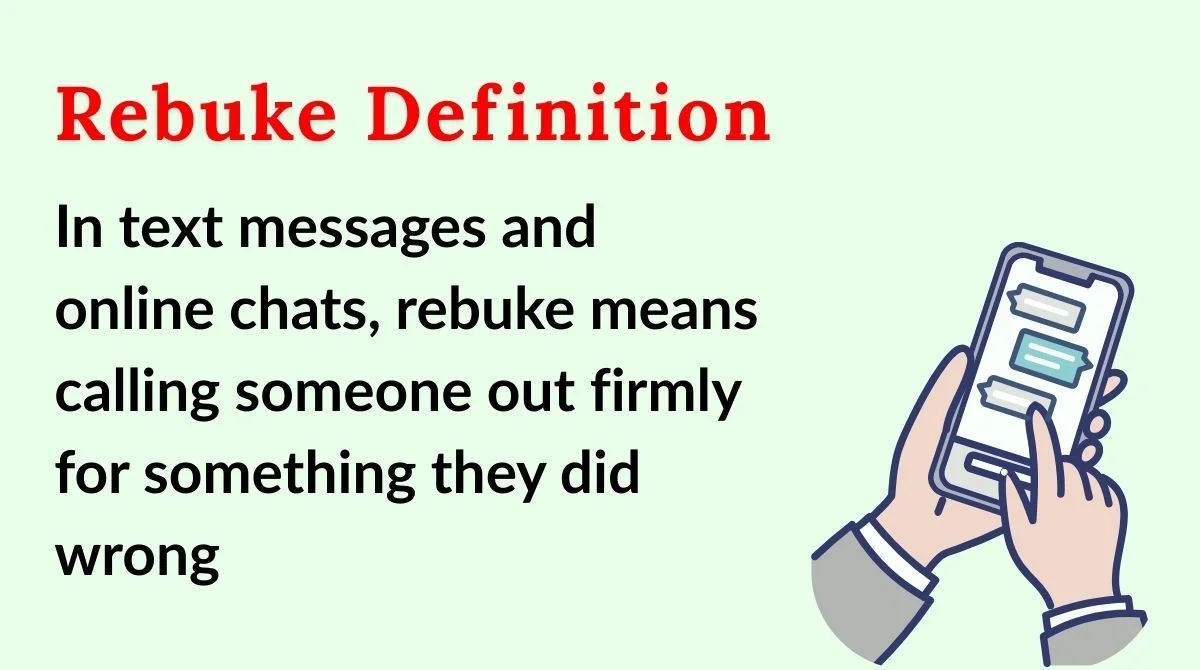
In text messages and online chats, rebuke means calling someone out firmly for something they did wrong.
It’s more serious than teasing and stronger than casual criticism. When someone says they were “rebuked” in a chat, it usually implies they were corrected or warned in a direct way.
In digital conversations, rebukes are often:
- Short and direct
- Emotionally charged
- Meant to stop unwanted behavior
Examples in chat:
- “He rebuked me for sharing false info 😬”
- “That comment felt like a public rebuke.”
Unlike slang, rebuke keeps its formal meaning, even online. People may not always type the word itself, but the action of rebuking happens often—especially in comment sections and group chats.
Full Form, Stands For & Short Meaning of Rebuke
Rebuke is not an acronym, so it doesn’t have a “full form.” It is a standard English verb and noun.
Short meaning:
- Verb: To criticize or scold sharply
- Noun: An act of strong disapproval
Quick breakdown:
- Tone: Serious
- Intent: Correction or discipline
- Context: Formal, professional, or moral discussions
Unlike casual words like “call out,” rebuke usually implies authority or moral ground.
Origin, History & First Known Use of Rebuke
The word rebuke comes from Middle English rebuken, which traces back to Old French rebucher, meaning “to beat back” or “drive away.” Its earliest known use dates to the 14th century.
Historically, rebuke was often used in:
- Religious texts
- Legal language
- Moral instruction
Over time, the word evolved from physical resistance to verbal correction. Today, it’s widely used in writing, speeches, and serious conversations rather than casual slang.
How People Use Rebuke in Daily Conversations
In everyday language, rebuke appears more in spoken explanations than direct commands.
Common uses:
- Workplace feedback
- Parenting conversations
- Ethical or moral discussions
Examples:
- “The manager rebuked the team for missing deadlines.”
- “She rebuked his rude behavior calmly.”
People often describe a rebuke rather than directly saying it out loud.
Rebuke Meaning Across WhatsApp, Instagram, TikTok & Snapchat
On social platforms, rebuke usually shows up in commentary, not casual chats.
Platform trends:
- WhatsApp: Used in serious group discussions
- Instagram: Seen in captions or comment debates
- TikTok: Used in storytimes or call-out videos
- Snapchat: Rare, but appears in serious messages
Example:
- “The creator rebuked the hate comments respectfully.”
Different Meanings of Rebuke in Other Fields
Rebuke can shift slightly by context:
- Religion: Divine correction or warning
- Law: Formal disapproval of misconduct
- Politics: Official criticism by leaders
- Literature: Moral correction of characters
Despite context changes, the core meaning stays the same.
Common Confusions, Mistakes & Wrong Interpretations
People often confuse rebuke with:
- Criticism (rebuke is stronger)
- Advice (rebuke is corrective)
- Insults (rebuke is purposeful, not abusive)
Wrong usage:
- ❌ “He rebuked me jokingly”
Rebukes are not jokes.
Similar Terms, Alternatives & Related Slang
Similar words include:
- Scold
- Reprimand
- Admonish
- Call out (informal)
Related slang alternatives:
- “Got checked”
- “Got called out”
Examples of Rebuke in Real Chat Situations
- “She rebuked him for spreading rumors 😐”
- “That message felt like a rebuke, honestly.”
- “The admin rebuked spam behavior 🚫”
How to Reply When Someone Says Rebuke
If someone rebukes you:
- Stay calm
- Acknowledge the point
- Respond respectfully
Examples:
- “I understand. I’ll fix it.”
- “Thanks for pointing that out.”
Is Rebuke Still Popular? Trends & Online Usage
Yes—rebuke remains relevant, especially in:
- Professional writing
- News articles
- Social commentary
It’s less trendy than slang but valued for clarity and authority.
FAQs: What People Also Ask
1. Is rebuke a negative word?
Not always. It can be constructive.
2. Can rebuke be polite?
Yes, if done calmly.
3. Is rebuke formal English?
Yes, it leans formal.
4. Can rebuke be used as a noun?
Yes, “a sharp rebuke.”
5. Is rebuke used in texting slang?
Rarely—it keeps its original meaning.
Conclusion
Understanding the rebuke definition helps you communicate more clearly and avoid misunderstandings.
While it may sound formal, rebuke is still widely used to describe moments of correction, discipline, or strong disapproval—both online and offline.
Unlike insults or casual criticism, a rebuke is usually intentional and meaningful, aiming to stop harmful behavior or set boundaries.
Whether you encounter it in a chat, a book, or a social media discussion, knowing how rebuke works gives you better control over tone and response.
As language continues to evolve, rebuke remains a reliable word when seriousness and clarity matter. Use it thoughtfully, and it will always serve its purpose well.

✨ “Elara Winslow weaves words with wit, turning everyday thoughts into moments of joy.”